Brands are buying UGC harder than ever. In Collabstr's 2026 report, UGC campaigns more than doubled year over year, from 15% to 35% of all campaigns. They also cite Adweek research that UGC drove 29% higher conversions than non-UGC campaigns. So the opportunity is real. The part nobody tells you is this: you will not get paid for being "a UGC creator." You will get paid when a brand can look at you and immediately know what you make, who it's for, and how to work with you.
Here is the checklist I want you to actually follow.
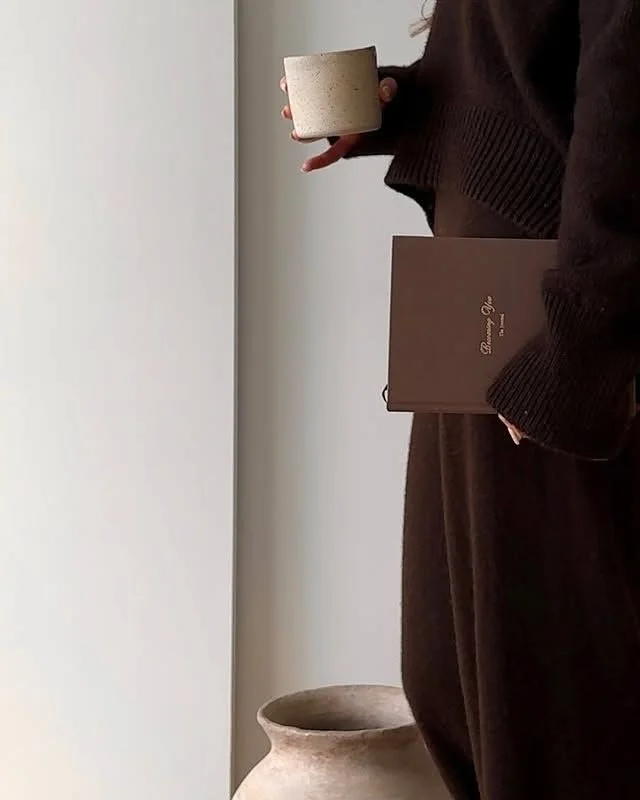
1. Treat your bio like a business card.
Your Instagram bio and your TikTok bio are not a personality collage. They are your business card. A brand scrolling your profile spends about two seconds deciding if you're worth a DM, and they pay attention to this. "Dog mom and coffee obsessed" tells them nothing. You want a bio that does a specific job: who you are, two or three niches you're obsessed with, what you're currently building, who you help, what collabs you're accepting, and how to reach you.
Use this template:
Position (who you are) | the 2–3 niches you're obsessed with
Helping you [what you do for your actual followers]
Currently building [the project or portfolio you're working on]
Accepting [the collabs you want] | [your email]
This doesn't work:
dog mom 🐾 coffee obsessed ✨ lifestyle
available for collabs
This does — the comfort creator:
Comfort creator | Cozy home & coffee rituals
Helping you make everyday feel a little softer
Currently building a kitchen-and-coffee UGC portfolio
Accepting paid UGC + usage rights | hello@youremail.com
This does — the food creator:
Food content creator | Weeknight cooking & grocery finds
Helping busy people actually cook at home
Currently filming recipe demos + unboxings
UGC creator, open to brand briefs | hello@youremail.com
This does — the mom-in-business creator:
Mom-in-business creator | Motherhood & work-from-home
Helping mom bosses build a brand without burning out
Currently creating home-and-studio UGC
Open to paid UGC in home, kids, and work-from-home | hello@youremail.com
The pattern is always the same: position, niches, audience promise, what you're building, what you're accepting, and a way to contact you. Switch the "available for collabs and vibes" version for a business-card version, and pin your best sample videos so the profile backs it up.

2. Start a ShopMy account.
ShopMy is a storefront and a brand-connection platform for creators. You build a shoppable page of the products you already recommend, earn commission when someone buys through your links, organize those products into collections around your niche, and get in front of brands through tools like Opportunities, where companies come looking for creators to work with. You can also connect your Instagram and TikTok, track clicks and earnings in one place, and use your ShopMy page as a portfolio hub — a single link that shows your taste, your niche, and how you present products. I prefer it over Like to Know It because LTK is built mainly around shopping links, and ShopMy does that plus the relationship side: your shop, your collections, your portfolio, and a way to connect with brands directly, all in one place. It looks like a business, not just a list of links, and that's what I want brands to see. Set yours up early, not "once I have brand deals." The shop is part of how you look like a business.
Join ShopMy through my creator invite (I may earn a commission if you sign up through my link), then start adding the products you already love and build collections that match your niche.

3. Find a niche — and give yourself a target strategy.
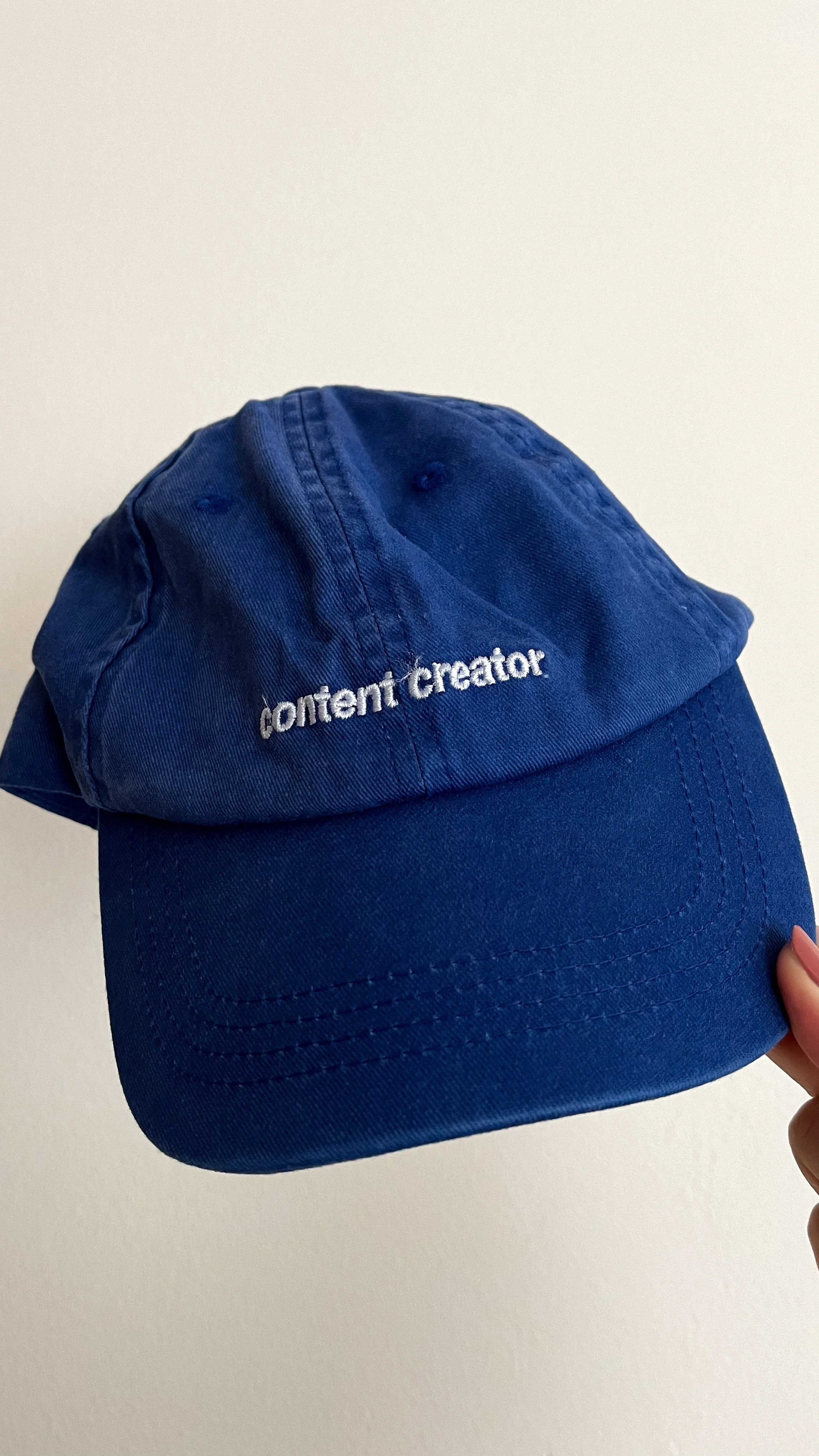
Pick a lane. Not "content creator." Not "a little bit of everything." That doesn't work, because a brand has no idea where to file you. You can be multi-dimensional. You do not have to shrink yourself down to one tiny box. Niching down is not a requirement, but it is effective, and you do need a target strategy. Lead with one primary lane so a brand knows what they're getting, then let the other layers sit around it.
Here's the prompt I want you to use to find your ideal niche. Answer all three, honestly:
What do you already talk about for free?
What do you already buy with your own money?
What would you film even if nobody paid you?
Where those three overlap is your lane. That's the world you actually live in, which means it's the world you can film honestly. Write that overlap in one sentence, and that's your niche for now.
4. Start your portfolio with seven videos.
You do not need 40 videos. Start with seven, and make them good. Start with what you already have — you do not need to go shopping just to build a portfolio. But if you can, go to a local Target (or wherever you already shop), pick up two products, and film unboxings. Unboxings are fast, they show how you handle a product, and they're one of the easiest ways to prove you can deliver. You want this portfolio to show diversity, and to show how good you actually are at content. Let them see the corners of your space — your kitchen, your living room, your real light — and let them see that you are confident on camera. Include a mix: at least one unboxing, a product demo, a lifestyle-in-use clip, and a confident face-to-camera piece. Put your best video first, on one page, with no login required. Seven strong videos in a format you can repeat will do more for you than a folder of forty that all look unsure.
5. Then get hyper specific. This is the part that actually changes everything.
Do not say, "I want to do beauty and wellness and home finds and Amazon finds." That is not a niche. That is a mood board, and it will keep you stuck in analysis paralysis because there is no target. If you're going to do home finds, what kind of home finds? Coffee station? Kitchen tools? Kids' playroom? A Miami apartment? Vintage Christmas styling?
The more hyper specific you get, the less you spin, because you finally have a bullseye instead of a general direction you hope turns into one. Specific is not smaller. Specific is clearer. And clear is what gets booked.
Here's the strategy, and your next steps:
Write your one-line lane. Not "home." Something like: "I make cozy coffee-station content for people who want their kitchen to feel like a café." If you can't say it in one sentence, it's still too wide.
Make a list of 10 brands that actually fit that exact lane. Not brands you wish you worked with. Brands whose products already live in the world you just named.
Film two pieces of content this week that only make sense in that lane. If a stranger watched them with the sound off, they should still be able to guess what you are known for.
Then use that same specificity when you reach out. "I'd love to collab" tells a brand nothing. "I make cozy coffee-station UGC, I already filmed a 30-second piece with your frother in my actual kitchen, and I'd love to talk usage rights" is a target. One clear pitch to the right brand will always beat ten vague ones.
Save this checklist, write your one-line lane today, and come back for the next post — I'm breaking down the actual way I've been closing four- and five-figure UGC deals. It is not volume pitching.